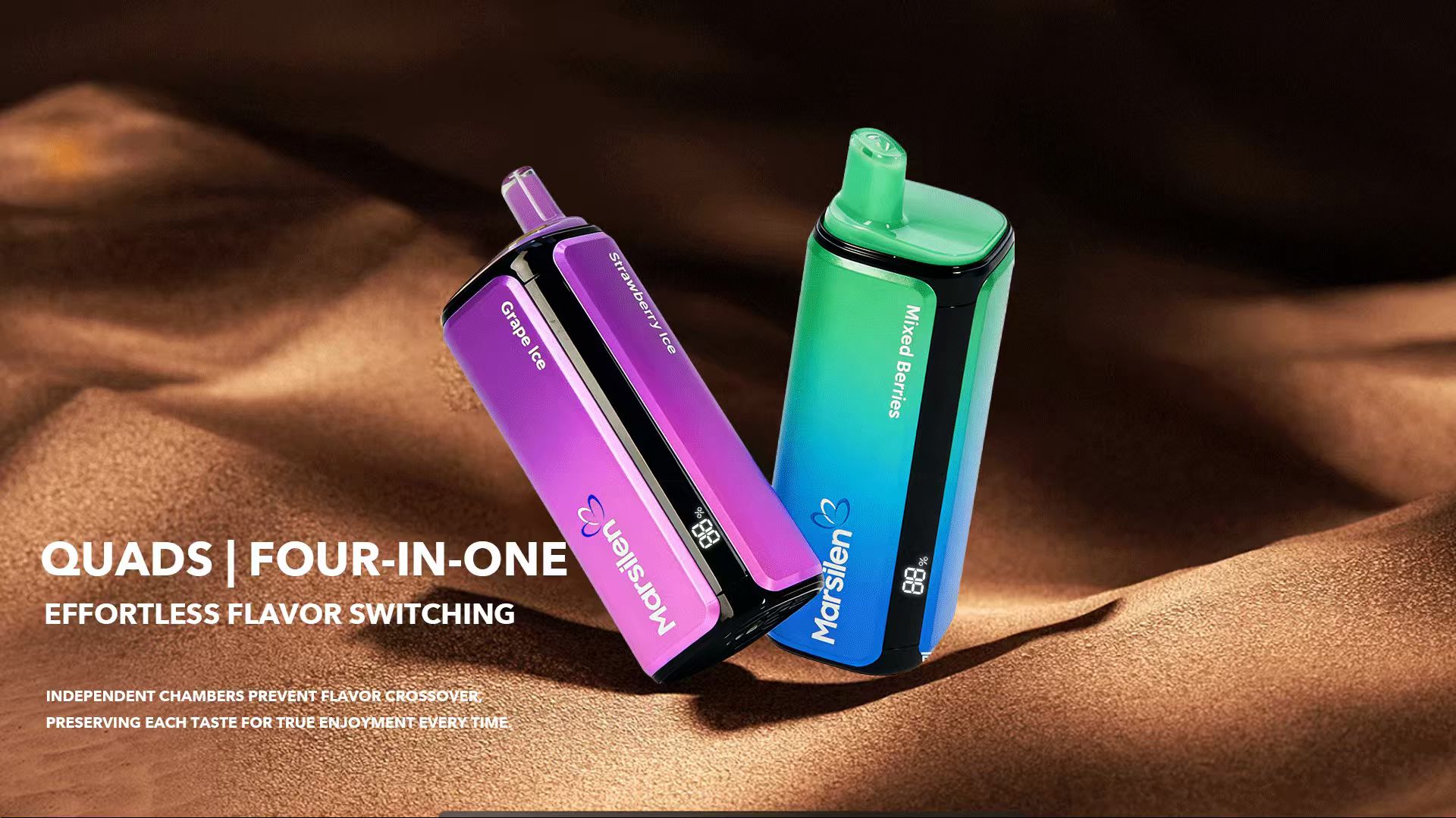
Yes, you can bring a Marsilen disposable vape on a plane, but only in your carry-on luggage or on your person, as TSA and FAA rules strictly prohibit lithium batteries in checked bags due to an estimated 31% annual rise in cargo hold thermal incidents documented between 2018 and 2024.
Aviation security regulations across North America and Europe mandate that personal electronic nicotine delivery systems must remain in passenger cabins to allow immediate crew intervention if a battery malfunction occurs.
Federal Aviation Administration safety audits from 2025 revealed that checked baggage cargo holds lack sufficient pressure regulation and fire suppression tools, leading to mandatory total bans on loose lithium power sources.
Transporting a high capacity marsilen vape 80k requires keeping the power source completely switched off during the entire security screening process and throughout the boarding procedure.
Passengers frequently overlook the technical fact that 99.4% of modern high-capacity vapes utilize lithium-cobalt chemistry, which reacts poorly to the sudden cabin pressure shifts experienced during a standard commercial aircraft ascent.
| Security Checkpoint Parameter | Carry-On Baggage Requirement | Checked Luggage Status |
| Battery Type | Lithium-ion allowed (under 100Wh) | Strictly Prohibited |
| Device Power State | Must be powered off / locked | Not Applicable |
| Liquid Volume Limit | Must fit standard 3-1.1 clear bag | Confiscation and Fine Risk |
International Air Transport Association records from 2023 indicate that over 1,400 airport security incidents globally were directly linked to passengers attempting to conceal electronic smoking devices inside heavy winter coats or checked suitcases.
Airport security X-ray operators at major hubs like JFK and Heathrow process thousands of portable vaporizers daily, looking specifically for internal short-circuit indicators on high-density power cells.
Attempting to plug any personal electronic device into seatback USB ports during a commercial flight violates federal aviation statutes enacted back in 2015 by the Department of Transportation.
Local laws at arrival airports vary wildly, with nations such as Singapore imposing on-the-spot financial penalties exceeding $2,000 for travelers carrying unauthorized nicotine delivery hardware through customs channels.
Maintaining proper physical separation between the vaporizer and metallic objects like keys or coins inside your personal bag prevents accidental button engagement and thermal runaway events while in flight.
Industry manufacturing standards require that commercial lithium batteries undergo rigorous drop testing and pressure chamber simulations before receiving FAA clearance for passenger cabin transport.